
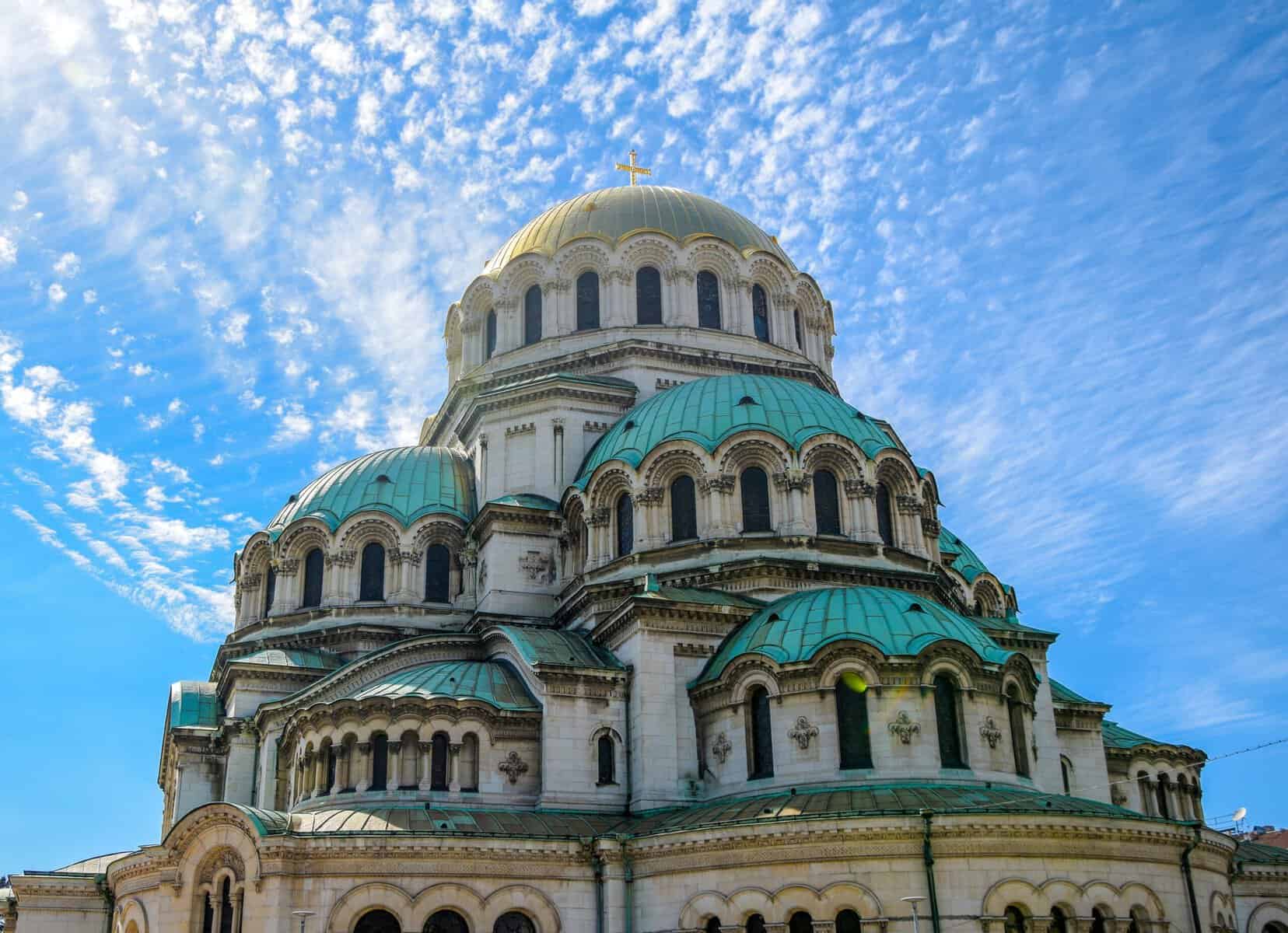
Is Sofia Worth Visiting? A 24 Hour Travel Guide
Some links in this guide are affiliate links — meaning if you book or buy through them I earn a small commission at no extra cost to you (and sometimes you get a discount). Affiliate commissions never determine which places get recommended.
# Ultimate Sofia Guide: Best Things to do in Sofia for First Visit
After recently having my flight to Jordan canceled, the only affordable flight now included a stopover in Sofia, Bulgaria. Given I had never been to Bulgaria before, I decided to make it a 24-hour stopover and explore the city – this turned out to be one of the best spontaneous decisions I have made.
If you are wondering whether Sofia is worth visiting for your first trip to Bulgaria, I can confidently say 100% yes.
Quick Answer
Sofia is absolutely worth visiting. This vibrant capital offers stunning architecture, rich history dating back to Roman times, delicious Bulgarian cuisine, and surprisingly affordable prices. I recommend 2-3 days to see the main highlights, though you can get a good taste in 24 hours like I did.
In this complete guide to Sofia, I will share the best things to do in Sofia based on my own experience, plus recommendations for where to stay, where to eat, and practical tips for first-time visitors.
Quick Facts About Visiting Sofia
How many days in Sofia is enough? For the main highlights, 2-3 days is ideal. I spent about 24 hours and saw quite a lot, but I wish I had an extra day for museums and a day trip to Rila Monastery.
Best time to visit Sofia: Spring (April-June) and autumn (September-November) offer the best weather and fewer crowds. Summer can be hot (30°C+), and winter is cold but perfect if you want to ski on nearby Vitosha Mountain. According to Visit Sofia, September is particularly beautiful with mild temperatures and autumn colors.
Is Sofia safe? Yes, Sofia is generally a safe city for travelers. Standard precautions apply – watch your belongings in crowded areas, be cautious around the train station at night.
Currency: Bulgarian Lev (BGN). 1 BGN = approximately €0.51 or $0.55 USD. Many places accept cards, but carry some cash for smaller purchases.
Best Things to Do in Sofia for First-Time Visitors
1. Join the Free Sofia Walking Tour
This was the first thing I did in Sofia, and it completely opened my eyes to the city’s incredible history. The Free Sofia Tour runs daily at 11am and 6pm, starting from the Palace of Justice.
Our guide from Sandemans was brilliant – really knowledgeable and passionate about Bulgarian history. The 2-hour tour covers all the major landmarks and gives you so much context about what you are seeing as you walk around the city.
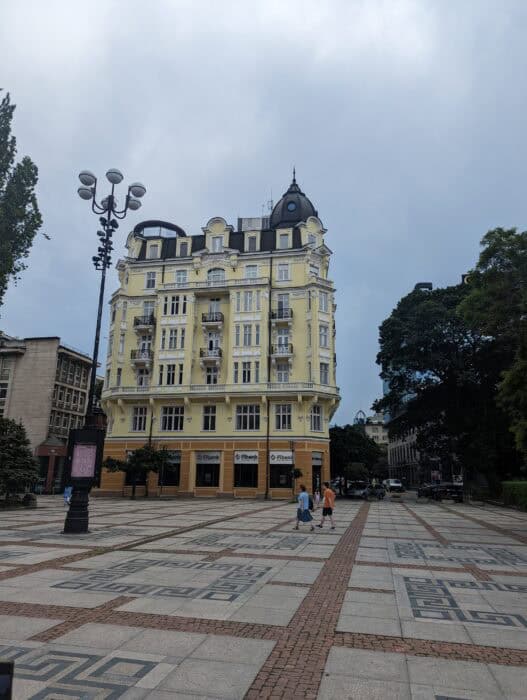
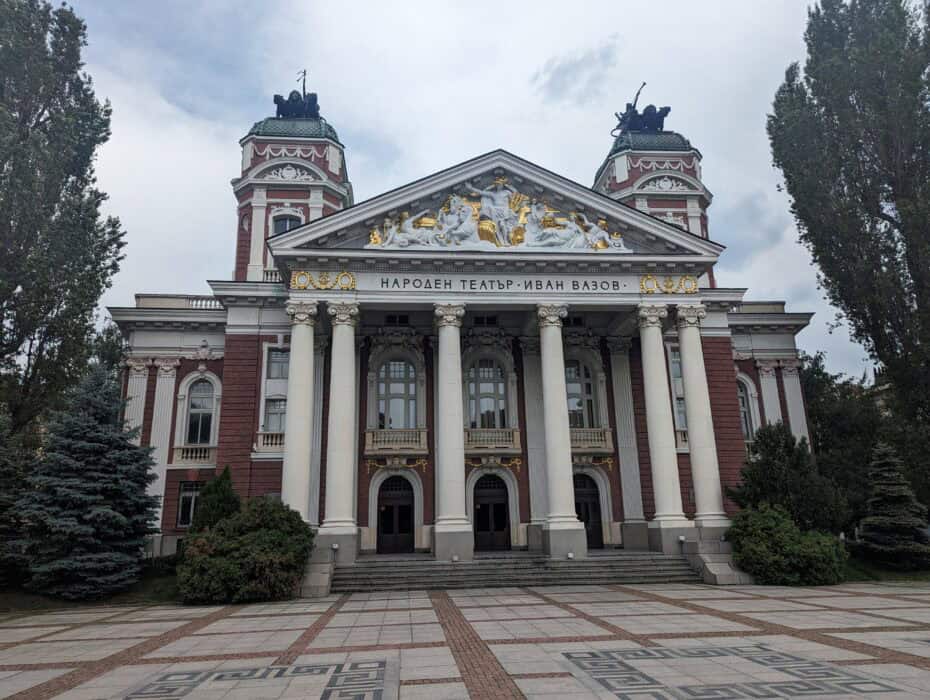
What I found fascinating: Sofia’s history is written in its streets. You walk from Roman ruins from ancient Serdica sitting right next to glass domes and metro entrances. Then you see grand Neo-Byzantine churches like Alexander Nevsky Cathedral straight into Neoclassical theatres and stark communist blocks or 1990s glass boxes.
That overlap of different architectural eras is much more intense than in many Western European capitals where districts are more stylistically pure.
Pro Tip
Book the walking tour for your first morning in Sofia. It gives you geographical orientation and historical context that makes everything else you see more meaningful. Our guide also gave us excellent restaurant and bar recommendations that I used throughout my stay.
The tour covers:
- Palace of Justice
- Sveta Nedelya Church
- Ancient Serdica ruins
- Banya Bashi Mosque
- Sofia Synagogue
- Central Mineral Baths
- Presidential building
- St George Rotunda
- Ivan Vazov National Theater
- Russian Church
- Alexander Nevsky Cathedral
Cost: Free (tip-based – I gave 20 BGN, about €10 or $11 USD)
Duration: 2 hours
Booking: Just show up at the Palace of Justice 10 minutes before start time
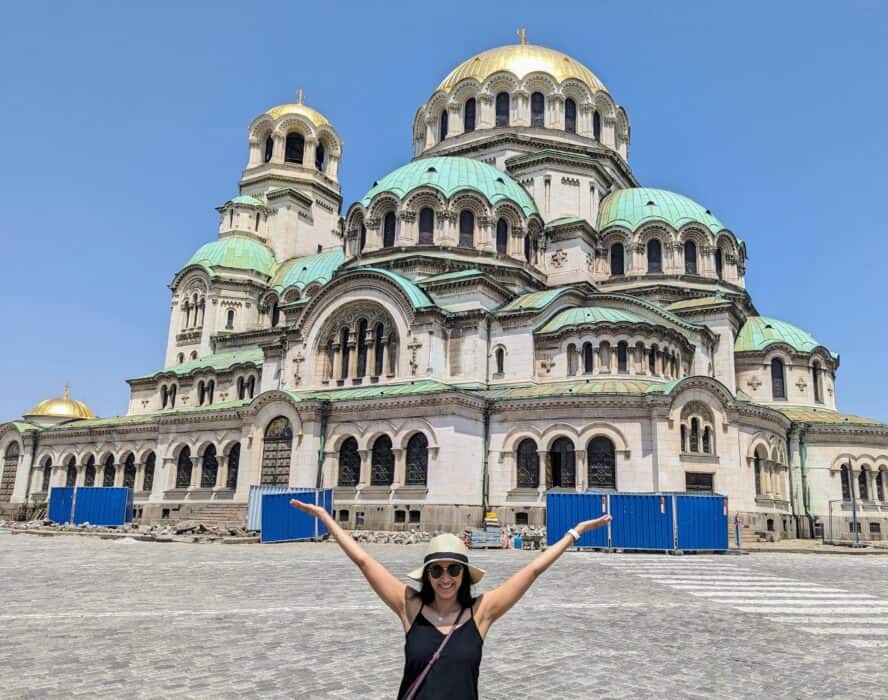
2. Visit Alexander Nevsky Cathedral

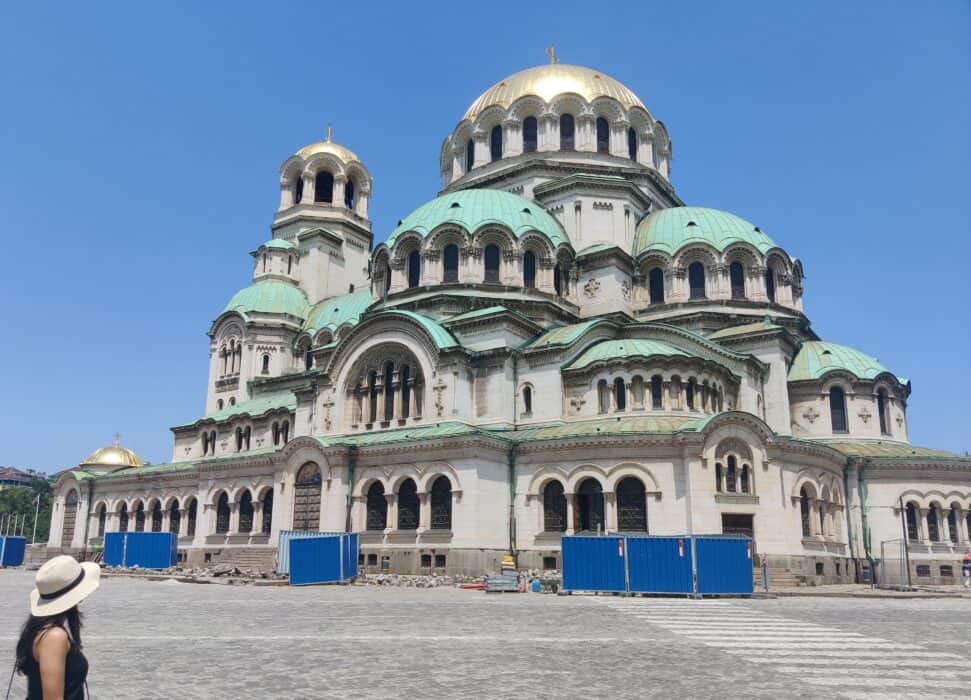
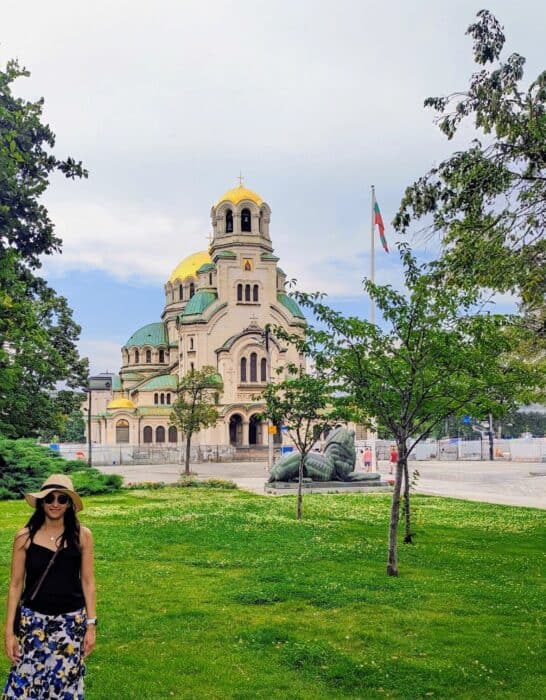
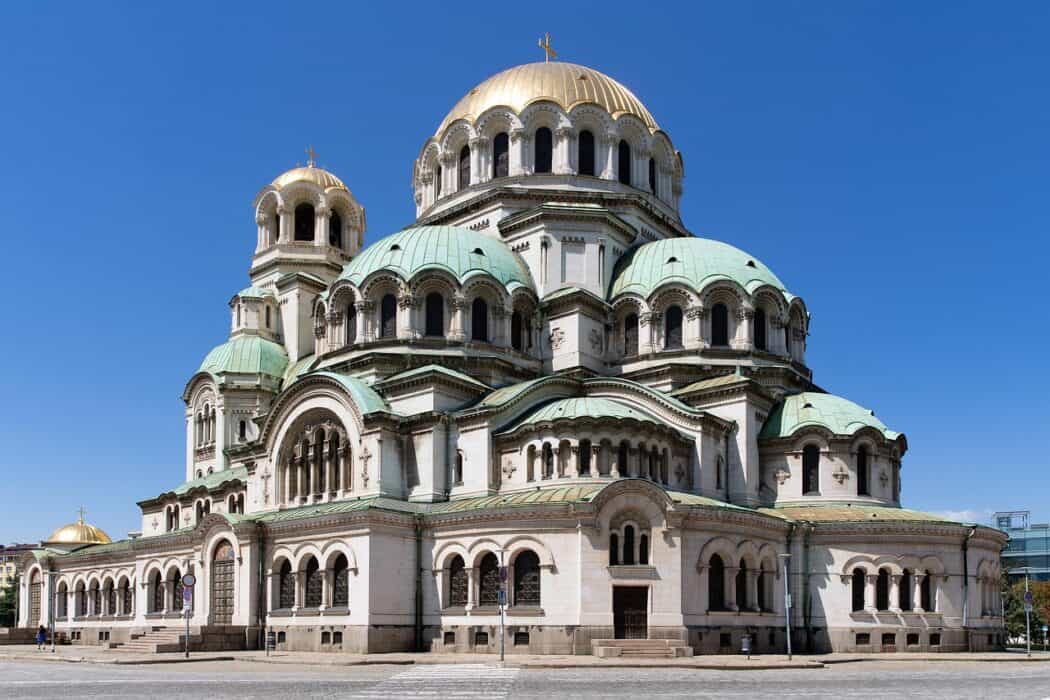
This is Sofia’s most iconic landmark and probably the most impressive Orthodox cathedral I have ever seen. The golden domes are visible from many parts of the city, and the interior is absolutely stunning.
The cathedral was built between 1882-1912 to honor the Russian soldiers who died in the Russo-Turkish War (1877-1878) that liberated Bulgaria from Ottoman rule. It can hold 10,000 people at once – the scale is massive.
Inside, you will find beautiful frescoes, marble floors, and an ornate iconostasis. The atmosphere is very peaceful, even with tourists walking around.
Entry: Free (photography inside is not allowed)
When to visit: I went early morning (around 8am) to avoid crowds and get better photos outside. The light is beautiful at this time.
What to know: Dress modestly (shoulders and knees covered). Women do not need to cover their heads. The interior is just as impressive as the exterior, so do go inside.
3. Explore Sofia’s Beautiful Churches
Sofia is packed with stunning churches from different eras. I visited several beyond Alexander Nevsky, and each one told a different part of Bulgaria’s story.
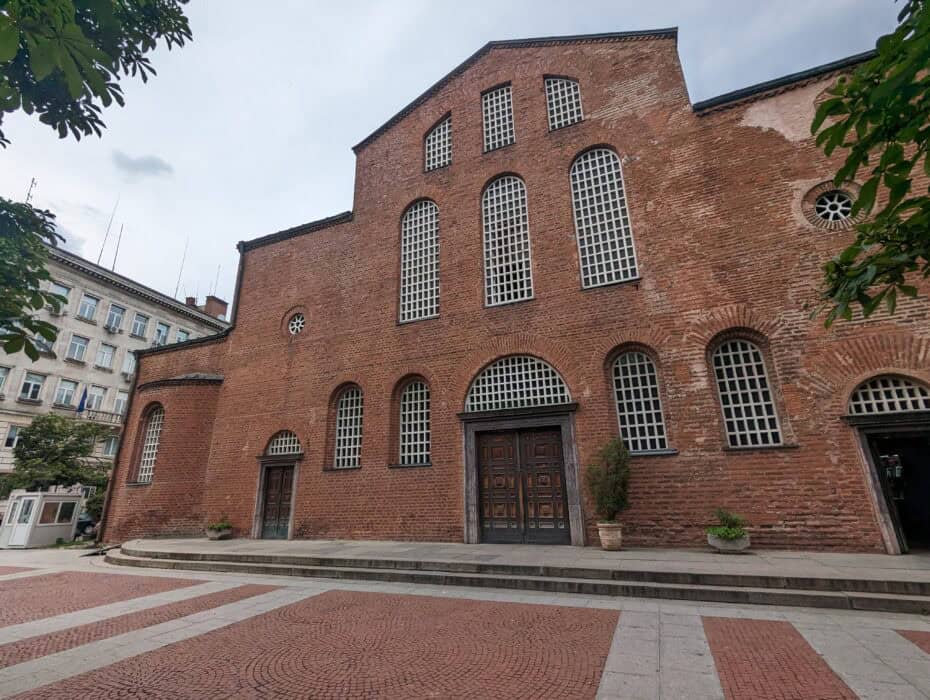
St. Sophia Church
This is actually where the city gets its name. The church dates back to the 6th century and has a simple red-brick exterior, but the history beneath is fascinating.
You can visit the archaeological level underground where they have uncovered ancient tombs and mosaics from early Christian times. Entry to the church is free, but the underground museum costs 6 BGN (about €3 or $3.30 USD).
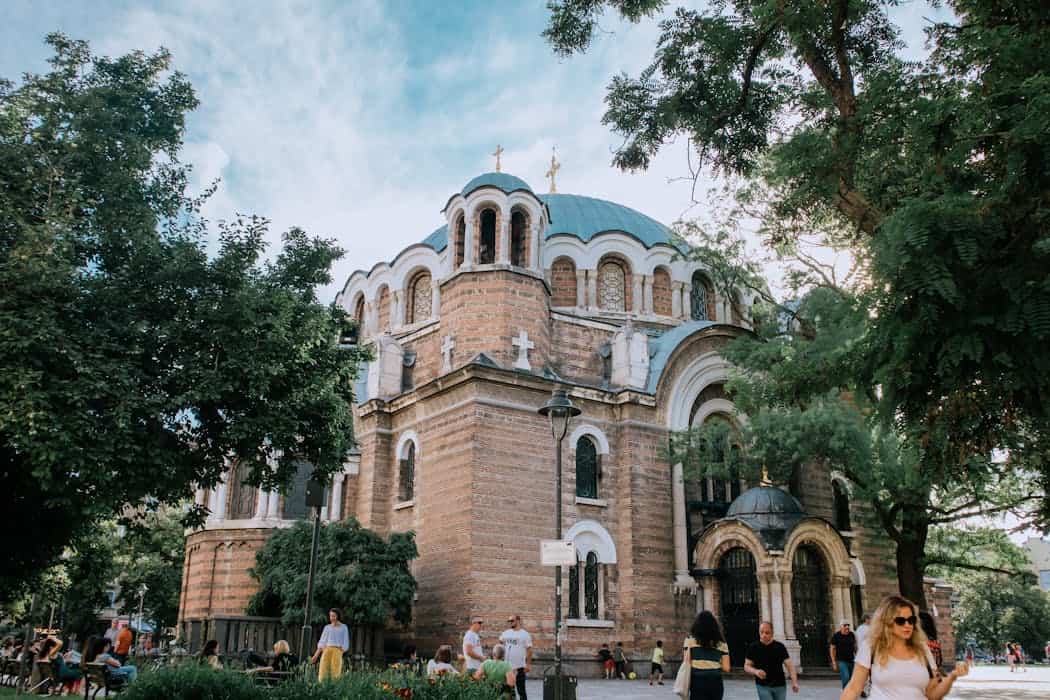
Russian Church (St. Nicholas the Miracle-Maker)
This bright turquoise and gold church is gorgeous. Built in 1907-1914, it served the Russian community in Sofia. The interior has beautiful frescoes and the atmosphere feels very peaceful.
What I loved: the small park surrounding the church is perfect for sitting and taking in the architecture.
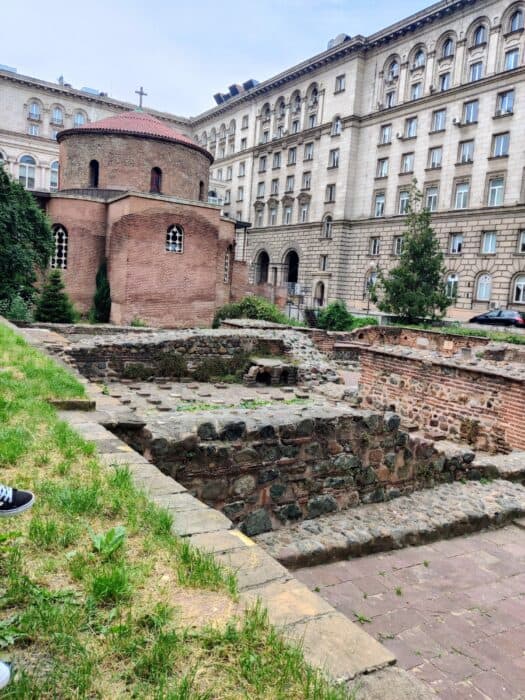
Rotunda Church of St. George
Hidden behind the Presidency building, this circular 4th-century church is the oldest building in Sofia. The red brick exterior is simple, but inside you will see layers of frescoes from different centuries – some dating back over 1,000 years.
Entry is free, but photography inside is not allowed.
St. Nedelya Orthodox Cathedral
Located in the city center, this cathedral has a dramatic history. In 1925, it was bombed, destroying much of the building. The current version was rebuilt shortly after and features impressive frescoes and a large central dome.
Boyana Church (UNESCO World Heritage Site)
If you have time, this medieval church is absolutely worth the trip. Located at the foot of Vitosha Mountain, Boyana Church is famous for its 13th-century frescoes – some of the most important examples of medieval Bulgarian art.
The frescoes here predate the Italian Renaissance by 200 years and show incredibly realistic human expressions and details. According to UNESCO, they represent a turning point in European medieval painting.
Entry: 10 BGN (about €5 or $5.50 USD), free on Mondays after 3pm
How to get there: Bus 64 or 107 from the city center (about 20 minutes)
Time needed: 1-2 hours including travel
Pro Tip
All the central churches are within walking distance of each other in the old town. I recommend visiting 2-3 in one morning walk. The mix of architectural styles and historical periods makes Sofia unique – you go from 4th-century Roman rotundas to early 20th-century Russian Orthodox churches in just a few blocks.
4. Visit the Sofia Synagogue
The Sofia Synagogue is the largest Sephardic synagogue in Europe and third largest overall. Built in 1909, it can hold over 1,000 people. The interior is stunning with a massive chandelier (1.7 tons), beautiful frescoes, and intricate decorative details.
What makes Sofia special is that Bulgaria saved its entire Jewish population during World War II – the only occupied country to do so. This synagogue stands as a testament to that history.
Entry: 5 BGN (about €2.50 or $2.75 USD)
Hours: Monday-Friday 9am-5pm, Sunday 10am-5pm (closed Saturday)
Location: Central Sofia, near the Central Market Hall and Banya Bashi Mosque
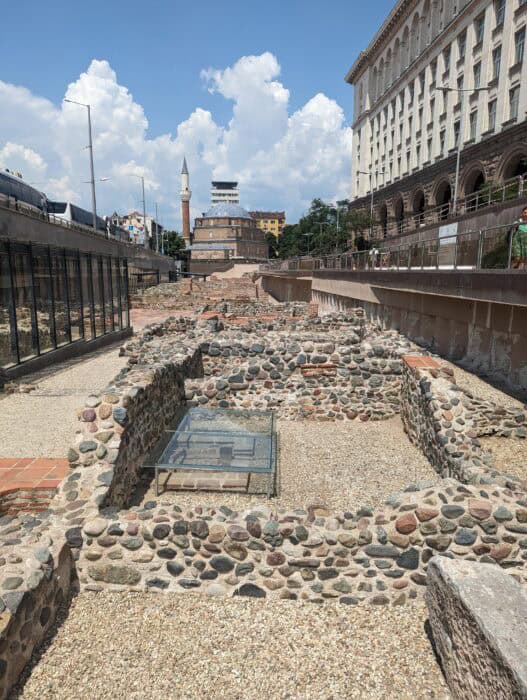
5. Discover Ancient Serdica Ruins
Right in the heart of modern Sofia, beneath the streets and inside Serdica Metro station, you will find extensive Roman ruins from when the city was called Serdica.
What makes this special: you are literally walking through 2,000-year-old streets while metro trains pass overhead. The contrast between ancient Rome and modern Sofia is striking.
The ruins include remains of streets, houses, an ancient amphitheater, and Roman thermal baths. It is all outdoors and completely free to explore.
I loved seeing the layers of history at the Archaeological Museum exterior – you can literally see different civilizations stacked on top of each other in the ruins.
Cost: Free
Location: Serdica Metro Station (Lines 1 and 2)
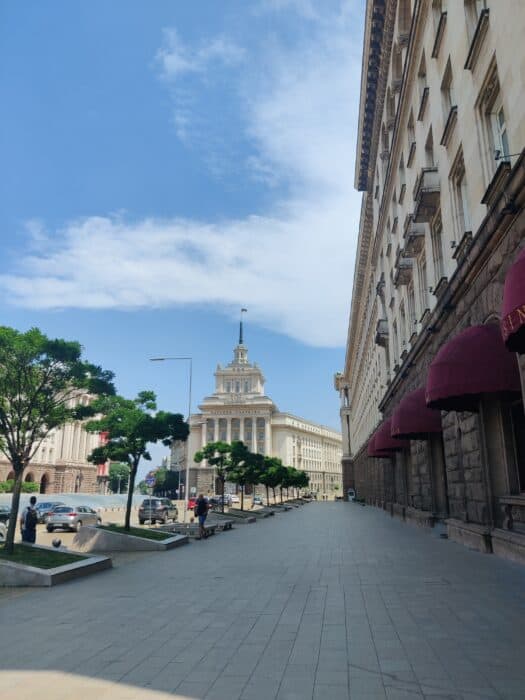
6. Explore The Largo (Socialist Architecture Tour)
The Largo is an architectural complex built during the communist era in the 1950s. This ensemble of massive buildings was designed to showcase the power and ideology of the socialist state.
The buildings have a distinctive Stalinist style with monumental proportions and decorative details. You can walk through the underground passages connecting the buildings – these were secret tunnels used by communist leaders.
Today, the buildings house government offices, but you can walk around the area and appreciate the imposing architecture. The contrast between these gray Soviet blocks and the colorful churches and Ottoman buildings nearby tells the story of Sofia’s complicated 20th-century history.
Cost: Free to walk around (guided tours available)
Location: Between the Presidency building and the Central Department Store
7. See the Monument of St. Sofia
This massive bronze statue stands in the center of Sofia near Alexander Nevsky Cathedral. St. Sofia (representing wisdom) is 8 meters tall and holds an owl in one hand and a wreath in the other.
The statue was erected in 2000 to replace a Soviet-era monument of Lenin. It has become one of the city’s most recognizable symbols and a popular meeting point.
Cost: Free
Best photo time: Early morning or sunset when the light hits the bronze
8. Try Traditional Bulgarian Banitsa
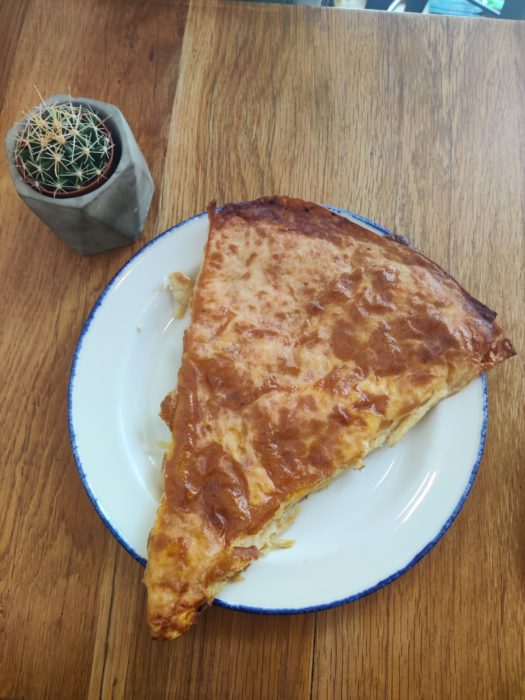
Banitsa is a savory pastry made with layers of filo dough filled with cheese, eggs, and yogurt. It is a breakfast staple in Bulgaria, but honestly, it tastes amazing any time of day.
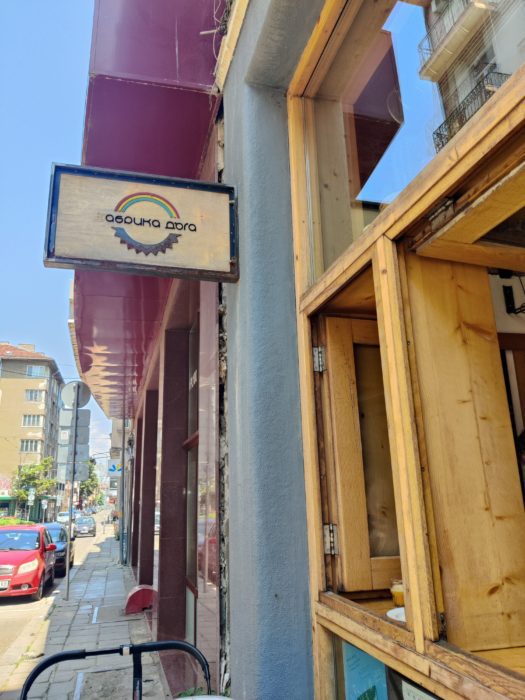
I had mine at Rainbow Factory, a hip café with two locations in Sofia. They do an incredible version – the pastry was crispy and flaky, and the cheese filling was perfectly balanced (not too salty, not too bland).
The café itself has a cool, colorful vibe with good coffee and friendly staff. It is popular with both locals and tourists, so expect it to be busy during peak hours.
What to try: Traditional banitsa (6-8 BGN, about €3-4 or $3.30-4.40 USD)
Where: Rainbow Factory has locations on Tsar Simeon Street and Graf Ignatiev Street
For a complete guide to the best places to eat in Sofia, including where I tried authentic Bulgarian dishes like shopska salad, tarator soup, and rakia, check out my detailed Sofia food and drink guide.
9. Join the Balkan Bites Free Food Tour
I only found out about this tour after I left Sofia, but I would totally have opted to do this if I knew about it earlier.
The Balkan Bites Free Food Tour runs daily at 2pm and takes you to 4 different local restaurants and food shops to sample traditional Bulgarian dishes. It is tip-based (like the walking tour), so you only pay what you think it was worth at the end.
This is a brilliant way to try banitsa, shopska salad, kebapche, and other Bulgarian specialties while learning about the food culture from a local guide.
Cost: Free (tip-based, most people give 15-20 BGN or €7.50-10)
Duration: 2.5-3 hours
When: Daily at 2pm
Meeting point: Near the Central Market Hall
10. Visit The Red Flat Museum
This was one of the most interesting museums I have ever visited. The Red Flat is a recreated Bulgarian apartment from the 1980s communist era – complete with original furniture, propaganda posters, vintage photos, and household items from that period.
You get an audioguide that takes you through the apartment room by room, explaining daily life under communism. The stories are personal and revealing – covering everything from work and school to partying and household chores.
What makes it special: you can touch things, sit on the furniture, and interact with the space. It is not just looking at objects behind glass – you are stepping into someone’s actual life.
The entire visit takes about 1.5 hours. I found it fascinating to understand this recent period of Bulgarian history that still affects life in Sofia today.
Cost: 18 BGN (about €9 or $10 USD) including audioguide
Location: Near Vitosha Boulevard in the city center
Hours: Daily 10:30am – 6:00pm
Important: You must book online in advance at redflatsofia.com – they only allow limited visitors at a time due to the small space.
11. Explore Sofia’s Museums
Sofia has excellent museums covering art, history, and archaeology. I only had time for The Red Flat, but if you have 2-3 days, here are the top museums worth visiting:
National Archaeological Museum
Housed in a beautiful former mosque, this museum has an incredible collection of Thracian gold treasures, Roman mosaics, and artifacts from ancient Serdica. The Thracian gold collection is particularly stunning.
Entry: 10 BGN (about €5 or $5.50 USD), free on last Sunday of month
Hours: Tuesday-Sunday 10am-6pm
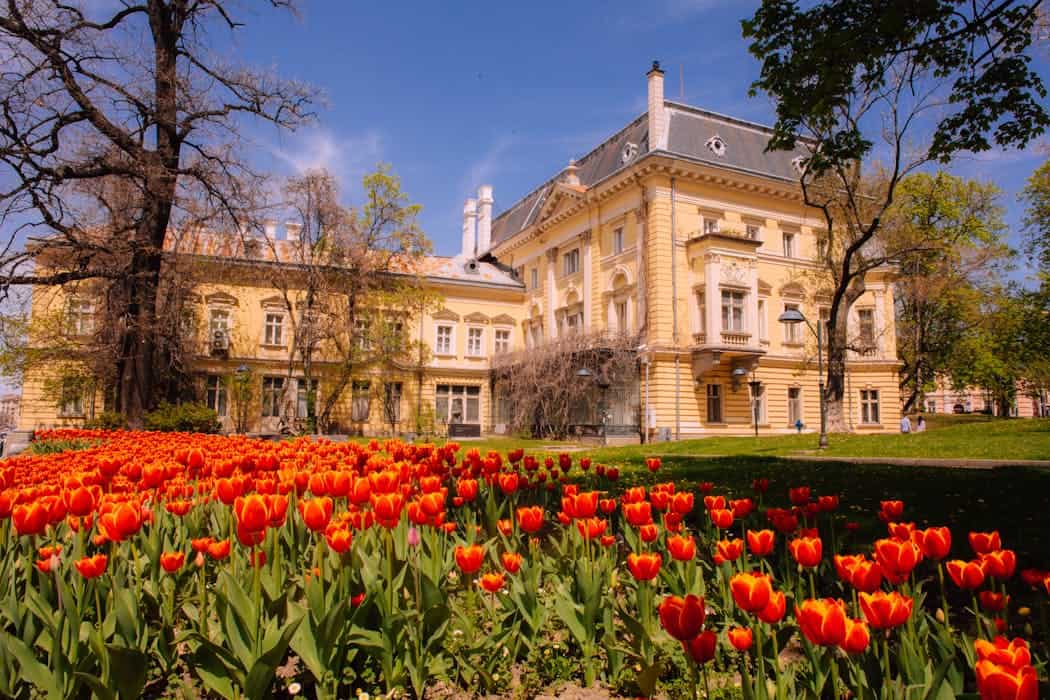
National Art Gallery
Located in the former Royal Palace (pictured above), the National Art Gallery showcases Bulgarian art from medieval icons to contemporary works. The building itself is beautiful.
Entry: 6 BGN (about €3 or $3.30 USD)
Hours: Tuesday-Sunday 10am-6pm
Sofia History Museum (Central Mineral Baths)
This museum is housed in the stunning former Central Mineral Baths building. It covers Sofia’s history from ancient times to modern day. Worth visiting just to see the building’s beautiful early 20th-century architecture.
Entry: 6 BGN (about €3 or $3.30 USD)
Hours: Tuesday-Sunday 10am-6pm
Money Saver
Many Sofia museums offer free entry on specific days. Archaeological Museum is free on last Sunday of month. Boyana Church is free on Mondays after 3pm. Plan your museum visits around these free days to save money.
12. Walk Through Sofia’s Parks and Green Spaces
One thing that surprised me about Sofia was how green and walkable it is. The old town has several beautiful parks that are perfect for taking a break between sightseeing.
City Garden (Gradska Gradina)
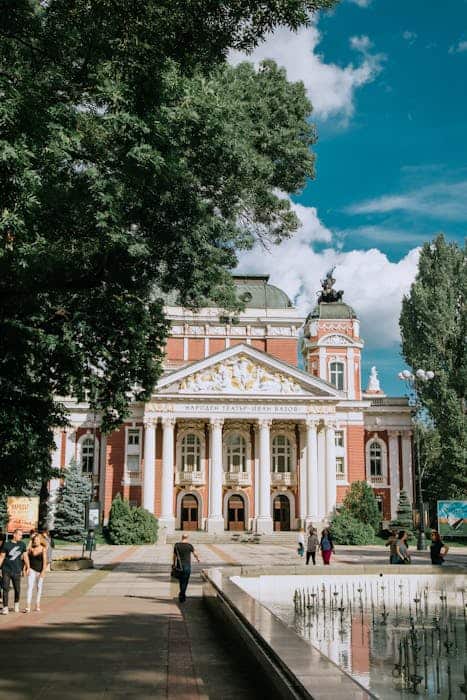
Located right in front of the Ivan Vazov National Theater, this is my favorite park in Sofia. It has fountains, flowers, shaded benches, and you will often find street performers and locals playing chess.
I came here multiple times during my stay just to sit, people-watch, and enjoy a coffee from one of the nearby cafés.
Borisova Gradina (Boris’ Garden)
This is Sofia’s oldest and largest park. It has tree-lined paths, a lake (Lake Ariana), sports facilities, and the National Stadium. Perfect for a longer walk or jog.
South Park
If you are staying near the National Palace of Culture (NDK), South Park is massive and great for walking, cycling, or just relaxing on the grass.
National Palace of Culture (NDK)
The NDK is a huge brutalist congress center built in the 1980s. The building itself is interesting architecture-wise. In front of NDK, there is a large park with fountains that light up at night – locals come here to walk, skateboard, and hang out.
The public transport to and from the old town is very convenient – we took the bus in and Bolt (ride-sharing app) back to our hotel.
13. Do an Escape Room Experience
This might not seem like an obvious choice for a Sofia itinerary, but hear me out – this was genuinely one of the most fun and memorable experiences of my trip.
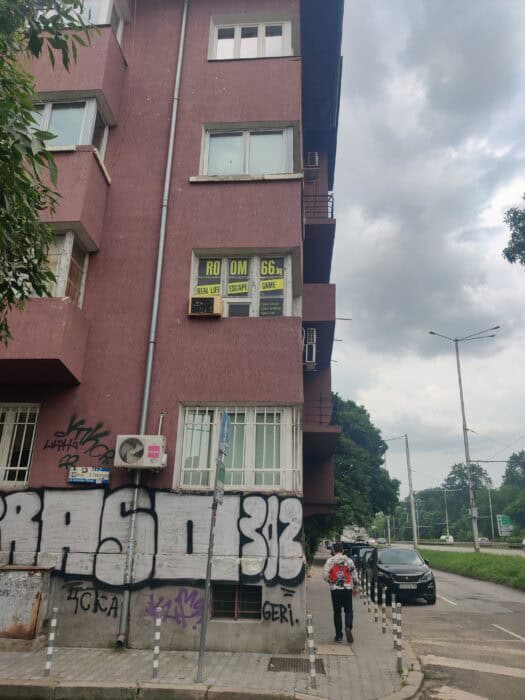
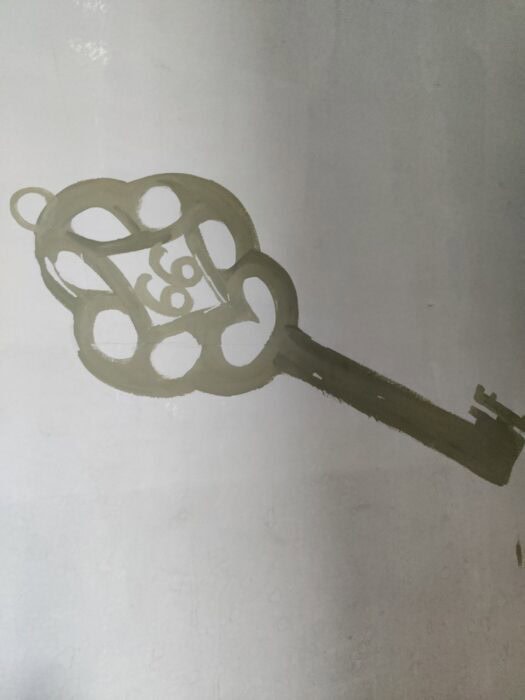
Our walking tour guide recommended Room 66, where you have exactly 66 minutes to solve puzzles and escape. We literally booked 30 minutes before showing up and got a spot.
We did one of their medium-difficulty rooms, which was somewhat scary at the start but not too intense. The puzzles were clever, and the whole experience was a perfect blend of scares and mind-bending challenges.
Why I loved it: It is a unique, interactive experience that most tourists do not do. After walking around seeing churches and museums, doing something completely different was refreshing. Plus, it is a great activity if the weather turns bad.
Cost: Around 30-40 BGN per person (about €15-20 or $16.50-22 USD) depending on group size
Duration: 66 minutes
Booking: You can book online or just show up (like we did) if you are flexible on timing
Location: Central Sofia (easy to reach on foot from main attractions)
14. See the Central Mineral Baths Building
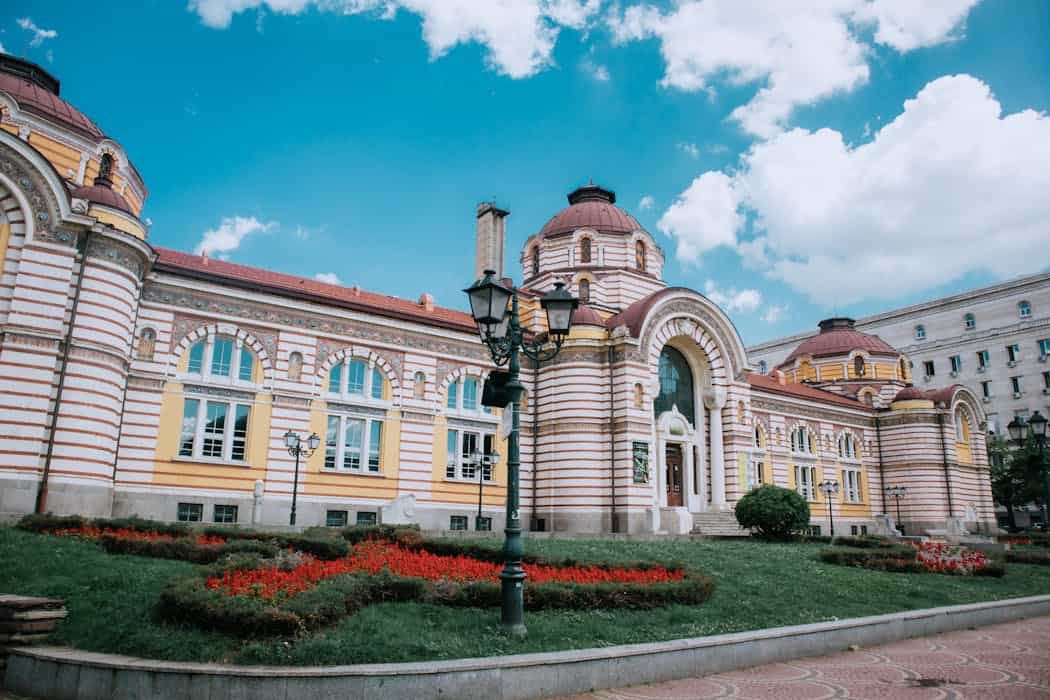
This beautiful early 20th-century building is worth seeing for the architecture alone. It used to be a functioning public bathhouse (Sofia sits on natural thermal springs), but it closed in 1986 due to poor maintenance.
Now the building houses the Sofia History Museum inside, which is worth a visit if you have time. Outside, there are public fountains where you can fill up your water bottle with free natural mineral water straight from the thermal springs – just like locals have done for centuries.
The water is warm and has a distinct mineral taste (a bit sulfur-y), but many believe it has healing properties.
Entry to museum: Around 6 BGN (about €3 or $3.30 USD)
Mineral water fountains: Free (available 24/7)
15. Watch the Changing of the Guard
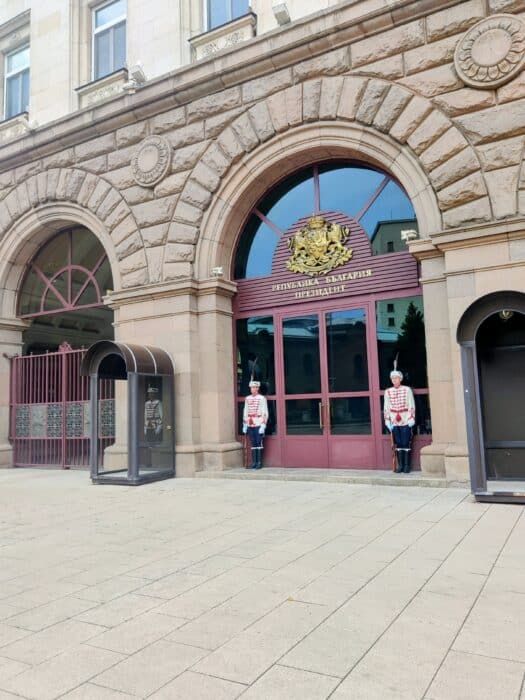
Every hour on the hour, you can watch the Changing of the Guard ceremony at the Presidential building in the city center. The guards in traditional uniforms perform a formal changing ceremony.
It is quick (about 5 minutes) but interesting to watch, especially since the Presidential building is right next to the ancient St. George Rotunda church – another example of Sofia’s layered history.
Cost: Free
When: Every hour, on the hour
Location: Presidential building, city center
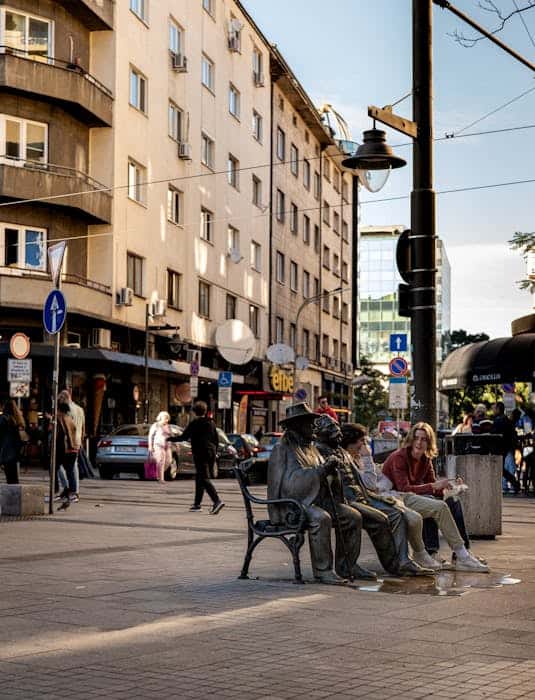
16. Walk Vitosha Boulevard
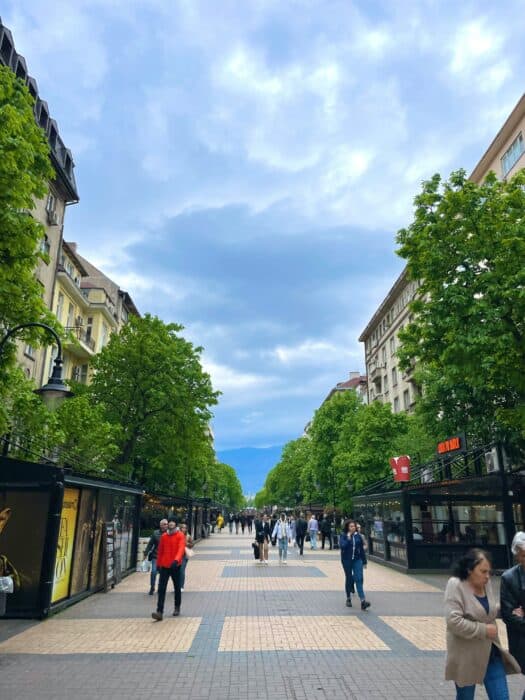
Vitosha Boulevard is Sofia’s main pedestrian shopping street, stretching from St. Nedelya Church toward Vitosha Mountain. On a clear day, you get beautiful views of the mountain from the street.
The boulevard is lined with international brands, local boutiques, cafés, restaurants, and street performers. I found it perfect for an evening stroll – the street comes alive with people, lights, and energy.
What to do: Window shop, grab a coffee at one of the outdoor cafés, people-watch, and enjoy the vibe
When to visit: Evening is best (around 6-9pm) when it is liveliest
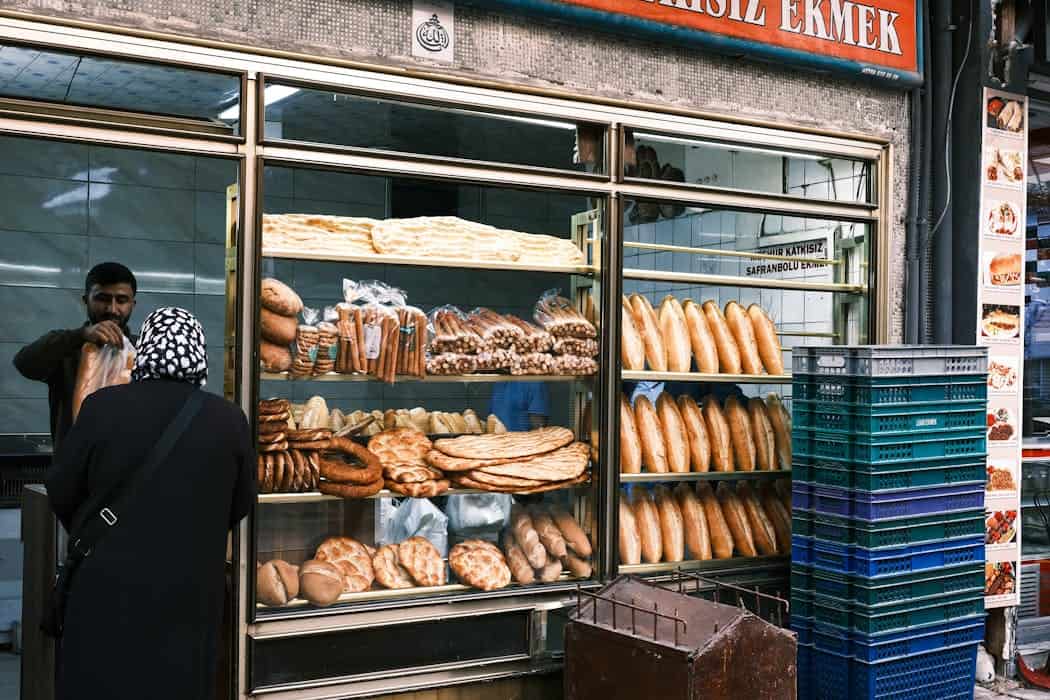
17. Browse the Women’s Market (Zhenski Pazar)
This is Sofia’s largest open-air market and a completely different experience from the Central Market Hall. The Women’s Market sells fresh fruit, vegetables, cheese, meat, spices, nuts, and household items.
It is where locals shop, so prices are good and the atmosphere is lively. You can find traditional Bulgarian products like lukanka (spiced sausage), white cheese, and fresh herbs.
I did not buy much (hard to travel with fresh cheese), but walking through and seeing all the colorful produce and local shoppers gave me a real sense of daily life in Sofia.
Cost: Free to walk around
When to visit: Morning (best selection and busiest time)
Location: Between the city center and the main train station
18. Admire Street Art Around the City
As you walk around Sofia, keep your eyes open for street art. The city has some brilliant murals tucked away in alleyways and on building walls.
I noticed several colorful pieces near the Women’s Market and around the old town. There is also a specific street art district called KvARTal Art street where local artists have created murals on residential buildings.
If you want a guided experience, there is a free Sofia Graffiti Tour at 3pm daily that takes you to the best street art locations and explains the historical and cultural stories behind the art.
Cost: Free graffiti tour (tip-based)
When: Daily at 3pm
Duration: About 2 hours
19. Visit the Central Market Hall
The Central Market Hall (Tsentralni Hali) is worth a quick visit to see local life. Built in 1911, the Neo-Renaissance building is beautiful from the outside.
Inside, you will find fresh meat, dairy products, traditional Bulgarian foods like cheeses and sausages, and small cafés. It is free to enter and walk around.
Best for: Seeing local daily life, picking up Bulgarian snacks or souvenirs
Not great for: Full grocery shopping if you are just visiting
20. See the Banya Bashi Mosque
Built in 1576 during Ottoman rule, this is Sofia’s only remaining active mosque. It was designed by the famous Ottoman architect Mimar Sinan.
The name “Banya Bashi” means “many baths” – referring to the natural thermal springs beneath the building. You can actually see steam rising from vents nearby.
The mosque is still in use, so you can visit outside of prayer times. Entry is free. Remember to dress modestly and remove your shoes before entering. Women should cover their heads with one of the scarves provided at the entrance.
Cost: Free
When to visit: Outside prayer times
What to know: This mosque, along with the nearby Sofia Synagogue and multiple churches, shows Sofia’s religious tolerance and diverse history.
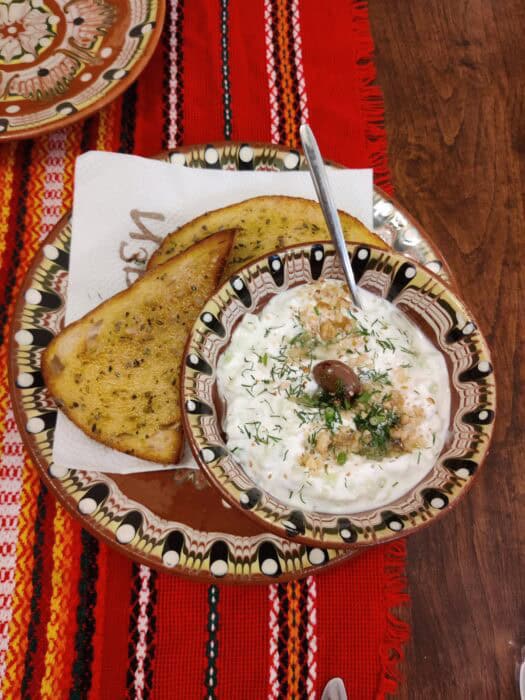
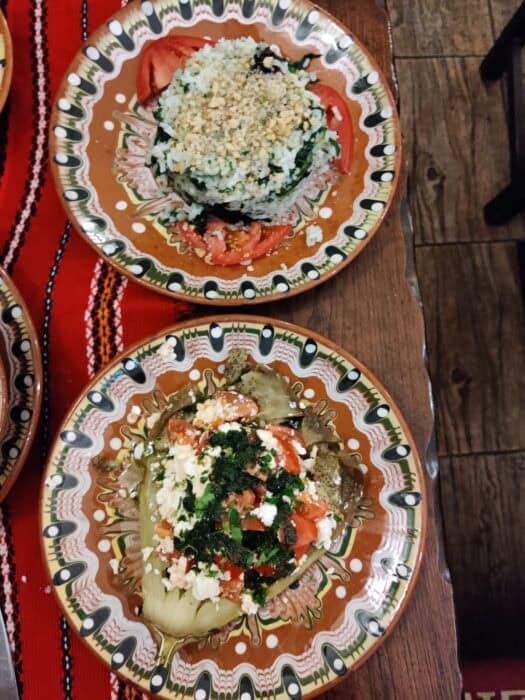
21. Experience Traditional Bulgarian Food
Bulgarian cuisine is delicious – a mix of Mediterranean and Balkan influences with lots of fresh vegetables, yogurt, cheese, and grilled meats.
For dinner, I went to Izbata Tavern, a cozy traditional restaurant that felt like eating in someone’s home.
The food was excellent. I am vegetarian, and I was surprised by how amazing and varied the vegetarian dishes were. The atmosphere was warm and hospitable, and our waiters were brilliant at providing recommendations.
For a complete breakdown of what to eat in Sofia, where to find the best banitsa, traditional taverns, hip cafés, and local bars, read my full guide to eating and drinking in Sofia.
22. Visit Raketa Rakia Bar for Nightlife
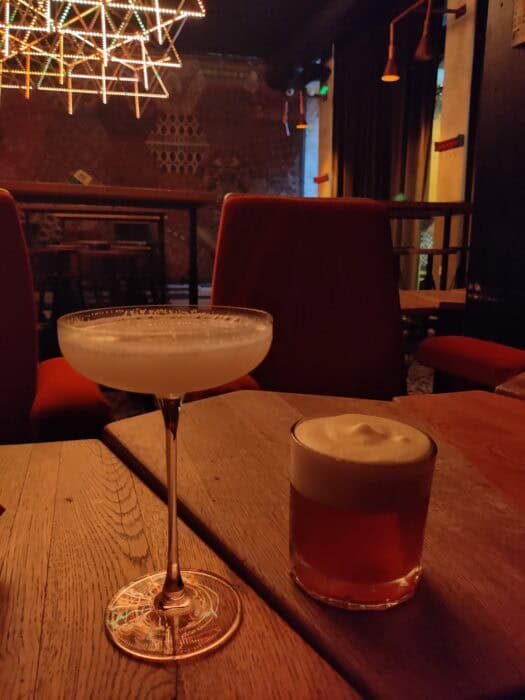
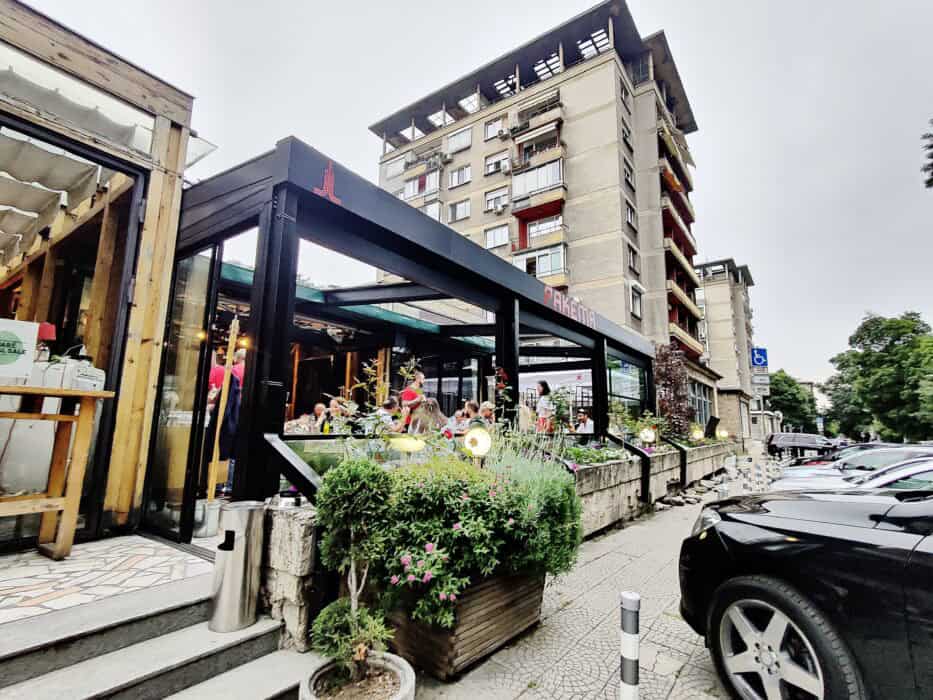
To end my day in Sofia, I went to Sputnik (the sister cocktail bar to Raketa Rakia). The bar is known for making small-batch rakia – a traditional Bulgarian fruit brandy.
Our waitress was super friendly and chatty. When we mentioned we were only in Sofia for one night and wanted to try the local tipple, she was really thoughtful in recommending a couple of cocktails. Then she brought us some local rakia on the house – made in the bar’s own small brewery.
The atmosphere has a quirky Soviet-era space theme, and the drinks were excellent.
What to try: Local rakia (fruit brandy) or rakia-based cocktails
Location: Central Sofia, near other nightlife spots
Vibe: Relaxed, friendly, great for trying traditional Bulgarian drinks in a modern setting
Where to Eat and Drink in Sofia
Bulgarian food was one of the highlights of my trip. The cuisine is fresh, flavorful, and incredibly affordable.
I have written a complete guide covering the best restaurants, cafés, and bars in Sofia, including:
- Where to try traditional Bulgarian dishes (banitsa, shopska salad, tarator, kebapche)
- Best hip cafés for breakfast and coffee
- Traditional taverns for authentic Bulgarian meals
- Where to try rakia (Bulgarian fruit brandy)
- Budget-friendly options
- Vegetarian-friendly spots
Check out my full Sofia food and drink guide here.
Recommended Food Tours in Sofia
- Balkan Bites Free Food Tour – 2pm Daily
– 4.9/5 – Samples at 4 restaurants, free tour (tip-based) - Bulgarian Wine & Cheese Tasting – €25
– 4.8/5 – Try local Bulgarian wines with traditional appetizers - Traditional Bulgarian Cooking Class – €45
– 4.7/5 – Learn to make banitsa and shopska salad
Best Day Trips from Sofia
1. Rila Monastery
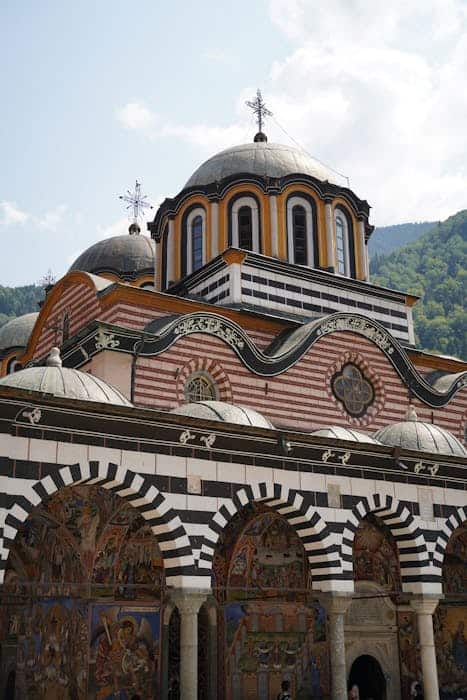
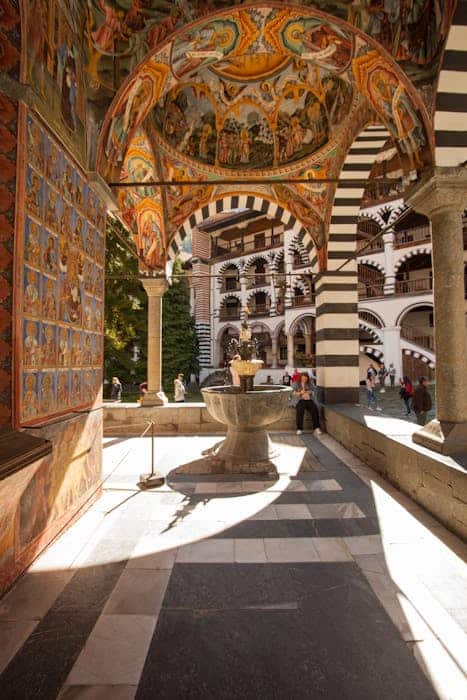
I did not make it to Rila Monastery during my 24 hours in Sofia, but I absolutely wish I had more time to visit. This UNESCO World Heritage site is Bulgaria’s most famous monastery and looks absolutely stunning in photos.
Located about 120 km south of Sofia in the Rila Mountains, the monastery was founded in the 10th century by hermit St. Ivan of Rila. The current buildings date from the 19th century and feature incredible colorful frescoes, intricate wood carvings, and a peaceful courtyard.
The setting is spectacular – surrounded by pine forests and mountain peaks. The monastery is still functioning with monks living there today.
How to visit:
- Book a guided day tour from Sofia (easiest option, includes transport and guide)
- Take public bus from Ovcha Kupel bus station (departs 10:20am, returns 3pm)
- Hire a private driver for more flexibility
Time needed: Full day (approximately 8 hours including travel)
Best for: Anyone interested in history, architecture, or Orthodox culture
Entry: Free (donations appreciated)
2. Seven Rila Lakes
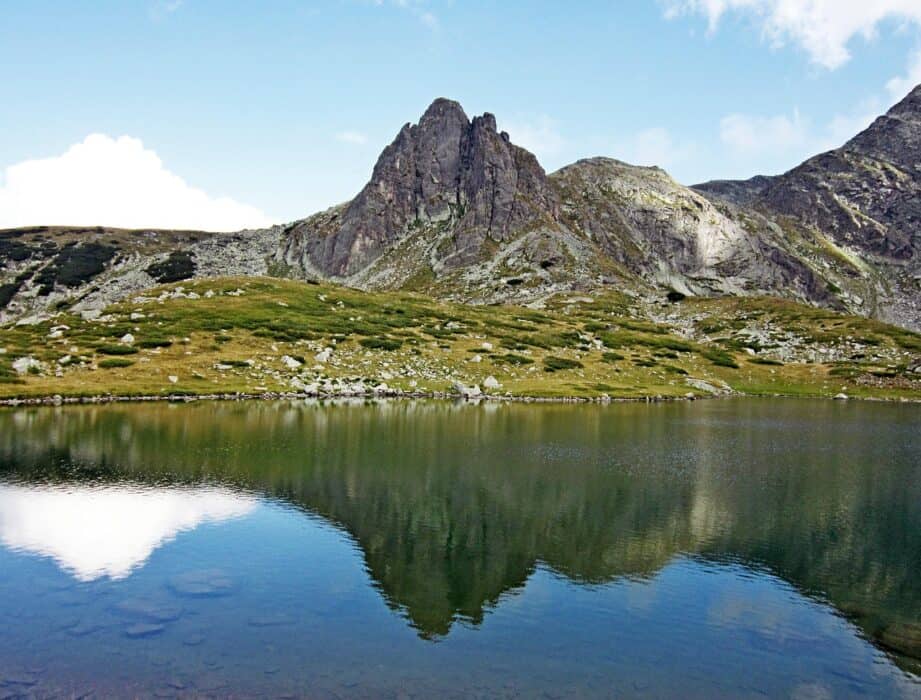
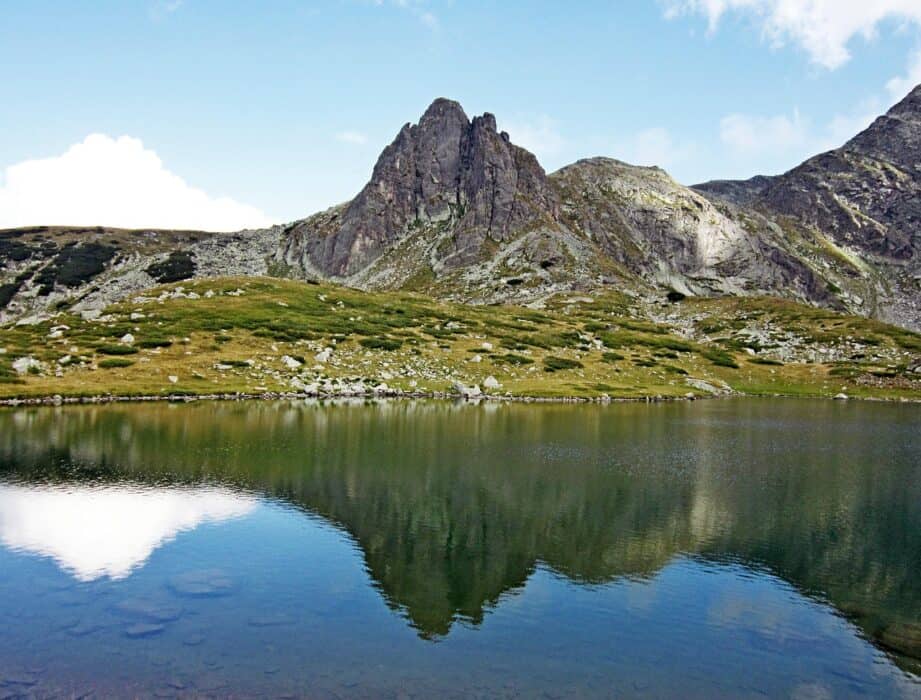
Another stunning natural attraction in the Rila Mountains. These seven glacial lakes are connected by hiking trails offering spectacular mountain scenery.
You can take a cable car up to avoid 2 hours of hiking, then hike between the lakes. The “red route” is the most popular and takes about 3 hours round trip.
The lakes have names based on their shapes: The Tear, The Eye, The Kidney, The Twin, The Trefoil, The Fish Lake, and The Lower Lake. On clear days, the reflections in the water are incredible.
How to visit: Book a guided hiking tour from Sofia (includes cable car ticket and transport)
Time needed: Full day
Best season: June-September (snow can block trails other months)
Difficulty: Moderate (mostly uphill but manageable for average fitness)
3. Vitosha Mountain
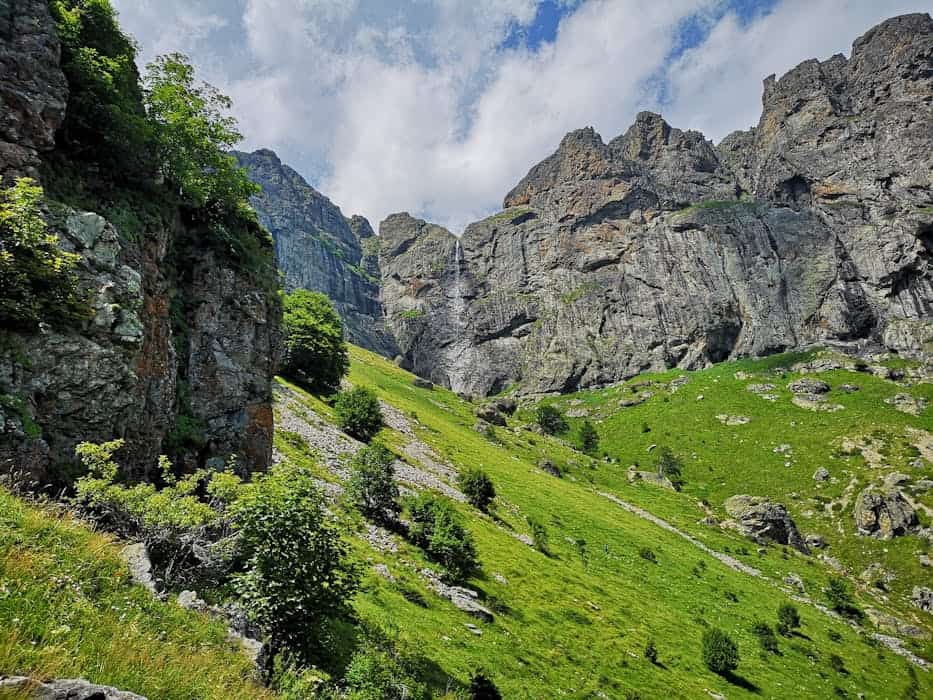
Vitosha Mountain provides the stunning backdrop you see from Sofia. It is perfect for hiking in summer and skiing in winter.
Popular activities:
- Hike to Boyana Waterfall (easy trail, about 2 hours round trip from Boyana neighborhood)
- Cable car ride for panoramic views of Sofia
- Hike to Cherni Vrah peak (2,290m) – the highest point, takes 3-4 hours from the Aleko cable car station
- Explore Golden Bridges (Zlatnite Mostove) – a unique boulder field created by ancient rockslides where you can walk between huge stones
- Visit Kopitoto viewpoint for panoramic city views
How to get there: Take bus 122 or 93 from Hladilnika Station to the foothills, or use the cable car from Simeonovo
Time needed: Half day to full day depending on activity
Best for: Nature lovers, hikers, anyone wanting fresh mountain air and escape from the city
What to bring: Good hiking shoes, water, snacks, layers (temperature drops at higher elevations)
Pro Tip
If you have 3 days in Sofia, I recommend spending Day 1 in the city center, Day 2 doing a day trip to Rila Monastery, and Day 3 exploring more museums or hiking Vitosha Mountain. This gives you a good balance of culture, history, and nature.
Best Day Trip Tours from Sofia
- Rila Monastery & Boyana Church Full-Day Tour – €34
– 4.8/5 – Includes both UNESCO sites, lunch, and transport - Seven Rila Lakes Hiking Tour – €25
– 4.9/5 – Small group, cable car included, stunning views - Vitosha Mountain Half-Day Hiking – €22
– 4.7/5 – Perfect for shorter time, panoramic city views
Where to Stay in Sofia
Sofia is relatively small – the entire city center is walkable in about 20 minutes. But your choice of area determines your daily experience and how much you spend on accommodation.
1. Sofia City Center (Best for First-Timers)
Why stay here: Everything is within walking distance. All the main attractions, restaurants, the free walking tour meeting point, and public transport hubs are right here. This is where I would stay if I came back to Sofia.
Why NOT stay here: Most expensive area. You will pay a premium for the convenience of central location.
Best for: First-time visitors, solo travelers, anyone who wants to walk everywhere, people without rental cars
Budget reality: 80-150 BGN per night (about €40-75 or $44-82 USD) for mid-range hotels. Budget hostels from 30-50 BGN (€15-25 or $16.50-27.50 USD).
Daily logistics: Walk to all main sights. Free walking tour starts at Palace of Justice. Metro stations and bus stops everywhere. Taxis to airport take 15 minutes.
Best Hotels in Sofia City Center
Budget: Hostel Mostel – €15-25 per night
Popular with solo travelers and backpackers. Offers free breakfast AND free dinner (seriously – all-you-can-eat dinner every night). Great for meeting other travelers.
Check availability at Hostel Mostel
Mid-Range: Art ‘Otel – €60-80 per night
Quirky boutique hotel with artistic touches, friendly staff, and excellent location between Vitosha Boulevard and Alexander Nevsky Cathedral.
Check availability at Art ‘Otel
Splurge: Sense Hotel Sofia – €120+ per night
Modern design hotel near Alexander Nevsky Cathedral. Features a popular rooftop bar with city views, contemporary rooms, and excellent service.
Check availability at Sense Hotel Sofia
2. Near Sofia Airport (Best for Early Flights)
Why stay here: If you have an early morning flight (like I did), staying near the airport makes sense. Free airport shuttles, good breakfast included, and you avoid the stress of early-morning transport.
Best for: People with very early or very late flights, overnight layovers, anyone who prioritizes convenience over location
Budget reality: 60-100 BGN per night (about €30-50 or $33-55 USD). Often cheaper than city center hotels.
Daily logistics: Free airport shuttle (check with hotel). Bus 84 or Metro Line 1 to city center (takes 20-30 minutes, costs 1.60 BGN or about €0.80). Taxis cost 15-20 BGN (€7.50-10 or $8.25-11 USD) to city center.
Where I Stayed: Best Western Expo Hotel
I chose Best Western Expo specifically because we had a 6am flight back to London and did not want to wake up at 4am for airport transport.
What I liked:
- Free 24-hour airport shuttle (runs every 30 minutes)
- Good buffet breakfast included (important when you are rushing to catch a flight)
- Clean, comfortable rooms (nothing fancy, but perfectly fine)
- Easy check-in/check-out
- Free WiFi
- Helpful staff who called our shuttle for us at 5am
What could be better:
- Not walkable to city center (but we knew this when booking)
- Neighborhood is quiet but not particularly interesting
- Limited restaurant options nearby (mostly business area)
Cost when I stayed: Around 70 BGN per night (about €35 or $38.50 USD) including breakfast and airport shuttle
Would I stay again? Yes, absolutely – but only if I had an early flight. For a normal city break, I would stay in the old town.
Pro Tip
If you have an early morning flight (before 8am), I strongly recommend staying near the airport. The time saved and stress avoided is worth the 20-minute commute to the city center during your stay. Just use public transport or Bolt to get into town – it is cheap and easy.
3. Vitosha Boulevard Area (Best for Shopping & Dining)
Why stay here: Perfect if you want to be close to Sofia’s main pedestrian shopping street. Lots of restaurants, cafés, bars, and boutiques. Still very central and walkable to main attractions.
Why NOT stay here: Can be busy and touristy. Slightly more expensive than some other areas.
Best for: Shoppers, foodies, people who want to be in the middle of the action
Budget reality: 70-140 BGN per night (about €35-70 or $38.50-77 USD)
Daily logistics: Walk to Vitosha Boulevard shops and restaurants. 10-15 minute walk to Alexander Nevsky Cathedral and old town sights.
4. Oborishte (Best for Quiet, Residential Feel)
Why stay here: Quieter, tree-lined streets with local charm. Still close to city center and main attractions. More residential feel with cafés frequented by locals.
Why NOT stay here: Slightly fewer hotel options. Not quite as central as staying right in old town.
Best for: Families, couples, anyone wanting a peaceful base while still being central
Budget reality: 60-120 BGN per night (about €30-60 or $33-66 USD)
Money Saver
Sofia accommodation is incredibly affordable compared to Western Europe. You can find clean, comfortable hotels with breakfast for €30-40 per night. I recommend booking directly with hotels if you speak to them – sometimes they offer better rates than booking sites, especially for multi-night stays.
Top-Rated Hotels in Sofia
- Sense Hotel Sofia – €120+ per night
– 9.2/10 – Rooftop bar, near Alexander Nevsky, modern design - Grand Hotel Millennium Sofia – €90+ per night
– 8.8/10 – Spa, pool, gym, central location, luxury feel - Best Western Expo – €35+ per night
– 8.5/10 – Near airport, free shuttle, breakfast included (where I stayed)
Practical Information for Visiting Sofia
How to Get from Sofia Airport to City Center
Sofia Airport is about 10 km from the city center. You have several options:
Metro (cheapest): Take Line 1 (red line) from Terminal 2. Journey takes about 18 minutes to Serdica station in the city center. Trains run 5:30am to midnight. Cost: 1.60 BGN (about €0.80 or $0.88 USD). Buy tickets from machines near the metro entrance. More info at Sofia Metro official website.
Bus 84 (budget option): Runs from the airport to the city center. Operates early morning until late at night. Cost: 1.60 BGN (about €0.80 or $0.88 USD).
Taxi (convenient): Available outside arrivals. Use official yellow taxis or order via app (Bolt, Uber). Cost to city center: 15-20 BGN (about €7.50-10 or $8.25-11 USD). Confirm the driver will use the meter before getting in to avoid scams.
Hotel shuttle: Many hotels (like Best Western Expo where I stayed) offer free airport shuttles. Check when booking.
Warning
Taxi scams are common at Sofia Airport. Avoid unlicensed taxis and always insist the driver uses the meter. Better yet, order via Bolt or Uber app where the price is fixed upfront. Our walking tour guide warned us about this.
Getting Around Sofia
Walking: Best option for the city center. All main attractions are within 20-30 minutes walk of each other. Sofia is very walkable and pleasant.
Metro: Sofia has two metro lines that cover most areas. Clean, safe, and efficient. Single ticket costs 1.60 BGN (€0.80). You can buy day passes for unlimited travel.
Buses and Trams: Extensive network covering the whole city. Same price as metro (1.60 BGN per trip). Buy tickets from machines or kiosks before boarding.
Bolt/Uber: Ride-sharing apps work well in Sofia and are very affordable. I used Bolt several times – rides across the city center cost 5-10 BGN (€2.50-5 or $2.75-5.50 USD).
E-scooters: Lime scooters are available around the city. Good for short trips or getting to Vitosha Mountain foothills.
How Much Does Sofia Cost?
Sofia is one of the most affordable capitals in Europe. Here is what I spent in 24 hours:
Accommodation: 70 BGN (€35 or $38.50 USD) including breakfast – Best Western Expo
Food & Drink:
- Banitsa and coffee at Rainbow Factory: 10 BGN (€5 or $5.50 USD)
- Dinner at Izbata Tavern: 35 BGN (€17.50 or $19.25 USD)
- Drinks at Raketa Rakia: 25 BGN (€12.50 or $13.75 USD)
Activities:
- Free walking tour (tip): 20 BGN (€10 or $11 USD)
- Escape Room 66: 35 BGN (€17.50 or $19.25 USD)
- Churches and ruins: Free
Transport:
- Bus from airport: 1.60 BGN (€0.80 or $0.88 USD)
- Bolt rides: 15 BGN total (€7.50 or $8.25 USD)
Total for 24 hours: About 210 BGN (€105 or $115.50 USD) including accommodation
For 2-3 days with museums and a day trip, budget around 300-400 BGN per day (€150-200 or $165-220 USD) including mid-range accommodation.
Budget Tips for Sofia
Sofia is already incredibly affordable, but here are ways to save even more:
Free museum days:
- Archaeological Museum: Free last Sunday of month
- Boyana Church: Free Mondays after 3pm
- Earth and Man Museum: Free last Tuesday of month
- Polytechnic Museum: Free last Monday of month
Free activities:
- Free Sofia Walking Tour (tip-based)
- Balkan Bites Free Food Tour (tip-based)
- Free Sofia Graffiti Tour at 3pm (tip-based)
- All churches (entry free, some underground areas charge small fee)
- Ancient Serdica ruins
- Parks and green spaces
- Changing of the Guard ceremony
- Street art hunting
- Mineral water fountains at Central Baths
Budget eating:
- Street pizza slices: 1.80-2 BGN (€0.90-1)
- Banitsa from local bakeries: 2-3 BGN (€1-1.50)
- Lunch menus at restaurants: 8-12 BGN (€4-6)
- Fresh produce at Women’s Market: very cheap
- Hostel Mostel offers free dinner for guests
Transport:
- Walk everywhere in city center (free)
- Metro/bus: 1.60 BGN per trip
- Buy day pass if using public transport multiple times
- Bolt rides cheaper than official taxis
Is Sofia Safe?
Yes, Sofia is generally safe for tourists. I felt comfortable walking around during the day and early evening.
Standard precautions:
- Watch your belongings in crowded places (Vitosha Boulevard, metro, markets)
- Be cautious around the train station and bus station at night
- Use official yellow taxis or apps (avoid unlicensed taxis)
- Keep valuables in your hotel safe
I did not experience any problems during my 24 hours in Sofia. The city felt relaxed and welcoming.
For more detailed safety information, check out my complete guide to safety in Sofia.
Frequently Asked Questions About Visiting Sofia
Is 24 hours enough time in Sofia?
You can see the main highlights in 24 hours (like I did), but 2-3 days is better. This gives you time for museums, a day trip to Rila Monastery, and a more relaxed pace without rushing.
What is the best time of year to visit Sofia?
Spring (April-June) and autumn (September-November) offer the best weather and fewer crowds. Summer is hot but good for hiking Vitosha Mountain. Winter is cold but perfect if you want to ski.
Do I need to speak Bulgarian?
No. Many people in Sofia speak English, especially in hotels, restaurants, and tourist areas. Our walking tour guide spoke excellent English, and I had no language problems during my visit.
Can I use euros in Sofia?
No. Bulgaria uses the Bulgarian Lev (BGN), not euros. Most places accept cards, but carry some cash for smaller purchases, public transport, and markets. ATMs are everywhere in the city center.
Is Sofia good for vegetarians?
Yes! I am vegetarian and found lots of options. Traditional Bulgarian cuisine includes many vegetable-based dishes, plus Sofia has modern cafés with dedicated vegetarian/vegan menus. Check my Sofia food guide for specific recommendations.
Should I book accommodation in advance?
For most of the year, you can find hotels easily without advance booking. But I recommend booking ahead during peak season (May-September) and if you want to stay in a specific hotel. Prices are generally cheap, so booking direct or through Booking.com works fine.
What should I not miss in Sofia?
Do not miss:
- The free walking tour (gives you context for everything else)
- Alexander Nevsky Cathedral (absolutely stunning)
- Ancient Serdica ruins (fascinating Roman history)
- Traditional Bulgarian food (banitsa, shopska salad)
- Rila Monastery if you have an extra day
How many days do I need for Sofia and day trips?
I recommend:
- 1 day: City highlights only (walking tour, churches, food)
- 2 days: City highlights + museums or Vitosha Mountain hike
- 3 days: City highlights + Rila Monastery day trip
- 4 days: City highlights + Rila Monastery + Seven Rila Lakes or more museums
Final Thoughts on Visiting Sofia
Sofia completely surprised me. I went in with zero expectations (remember, I only ended up there because my Jordan flight was canceled), and I left wishing I had more time.
What makes Sofia special is the layers of history visible everywhere you walk – Roman ruins next to Orthodox cathedrals next to communist-era buildings next to hip modern cafés. The city wears its complex past openly, and that makes it fascinating.
The food is delicious and ridiculously cheap. The people are friendly. The city is walkable and easy to navigate. And there are enough interesting things to do to keep you busy for 2-3 days, plus excellent day trips nearby.
My advice: Do the walking tour first. It gives you historical context that makes everything else more meaningful. Book 2-3 days, not just 24 hours like I did. And stay in the old town if you can – the airport hotel was fine for my early flight, but you will have more fun being central.
If you are planning a trip to Eastern Europe, do not skip Sofia. It is one of the continent’s most underrated capitals.
Related Sofia & Bulgaria Guides
Are you heading to Bulgaria? Check out our other guides on Sofia below –
